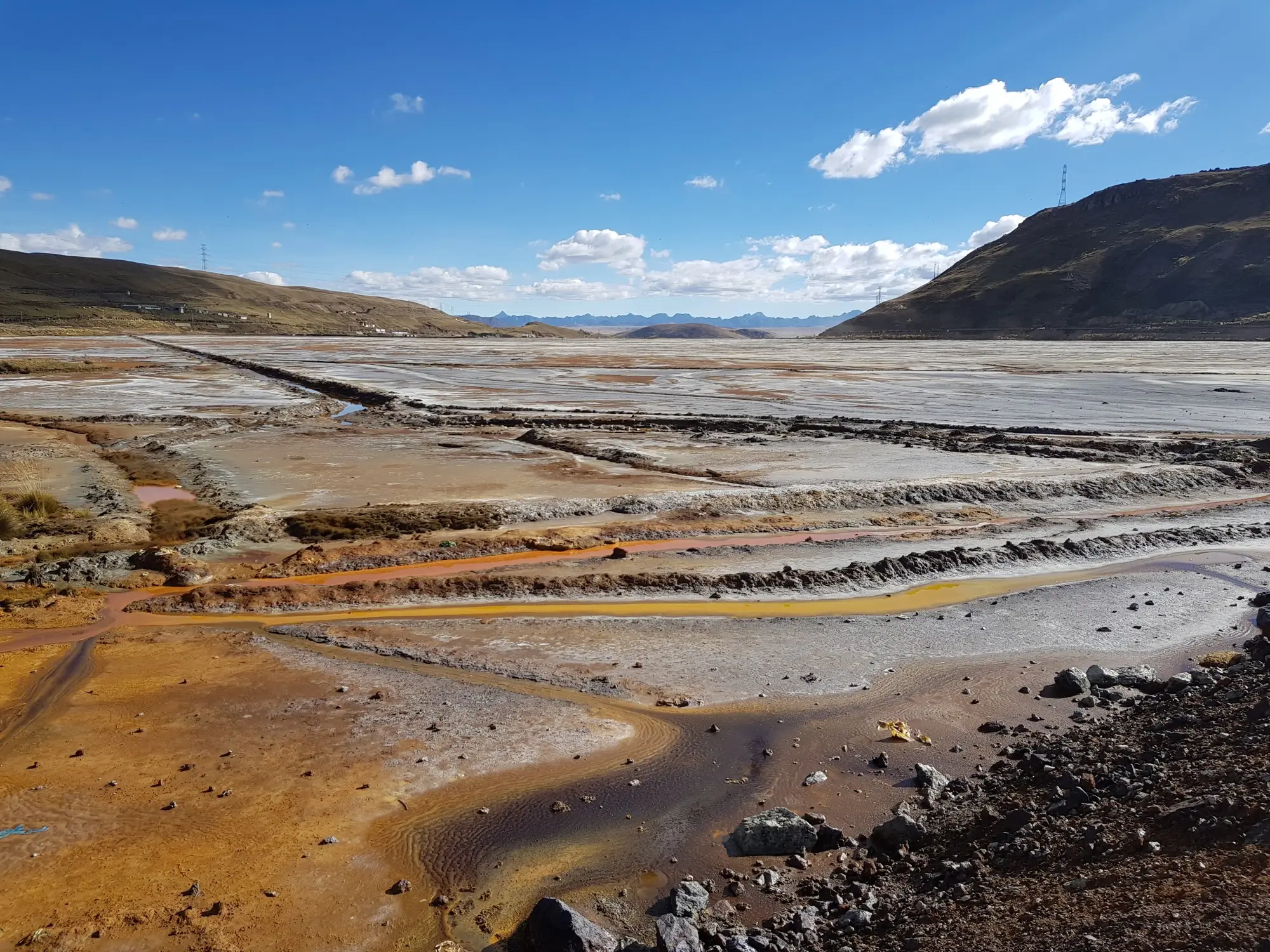

Cerro de Pasco Resources (WKN A2N7XK / TSXV CDPR) has taken another important step in expanding its Quiulacocha tailings project in Peru. The Canadian company reports the conclusion of a formal land use agreement with the community of Quiulacocha – a key building block for social acceptance and the further technical development of the project.
The agreement was signed on December 11, 2025 and approved by the community assembly. This gives Cerro de Pasco Resources a clearly defined framework for the use of surface areas around the Quiulacocha tailings pond, which is at the center of the company’s project plans in the historic Cerro de Pasco mining region.
Cerro de Pasco Resources strengthens social license in Quiulacocha
With the new agreement, Cerro de Pasco Resources underpins its “Social License to Operate” in the region. The agreement with the community of Quiulacocha formalizes a collaboration that has existed for years and translates it into concrete rights and obligations for both sides.
The contract initially has a term of two years and can be extended. It includes essential project activities such as drilling, geotechnical and hydrogeological investigations, environmental baseline studies and monitoring, as well as engineering work and logistical support in the field. All these measures are directly related to the development program with which Cerro de Pasco wants to gradually lead the Quiulacocha tailings project towards a feasibility study and possible implementation.
The important thing here is not only the technical aspect, but also the social component: The agreement contains provisions on ongoing communication, involvement of the local population, participation of the community in processes and on overarching aspects of social responsibility. This is to ensure that project progress is transparent and that the interests of the Quiulacocha community are taken into account.
Framework for technology, environmental work and permits
Operationally, the land use agreement creates security for a number of ongoing and planned works in the vicinity of the Quiulacocha tailings. These include the placement of drilling equipment, the installation of measuring and monitoring infrastructure, and access for specialists working on geological, geotechnical and hydrogeological models.
At the same time, environmental baseline data is being collected, for example on water quality, soil, biology and geochemical parameters. This information will later form a core component of the environmental impact assessment, which is mandatory in Peru for projects to reprocess and relocate historical mining waste. Cerro de Pasco Resources points out that the agreed cooperation model with the community is in line with international “best practices” for social integration in the raw materials sector.
The agreement is also part of an overarching regulatory process. While the company is developing the technical basis for a later feasibility study, the administrative steps to obtain the necessary permits for the re-mining and reprocessing activities are running in parallel.
Quiulacocha as a national priority project in Peru
The Quiulacocha tailings project of Cerro de Pasco Resources is also being followed attentively on the government side. The project is on the specialized priority projects list of the Peruvian Ministry of Economy and Finance. The inclusion already took place in March 2023 and has been confirmed since then.
The classification as a priority project is based on several factors: On the one hand, Quiulacocha addresses a historical environmental burden from more than a century of ore mining and processing in Cerro de Pasco. The reprocessing of the silver and base metal-rich residues should potentially defuse sources of pollution and reduce long-term environmental risks. On the other hand, the project could create economic stimulus and employment in a region that has been heavily influenced by mining for decades.
Cerro de Pasco Resources explicitly positions Quiulacocha as a model project for responsible tailings reprocessing and environmental remediation in Peru. Through the approach of reprocessing historical residues from the El Metalurgista concession, the company is pursuing a dual objective: value creation from metal-containing legacy waste and simultaneous reduction of the ecological footprint.