


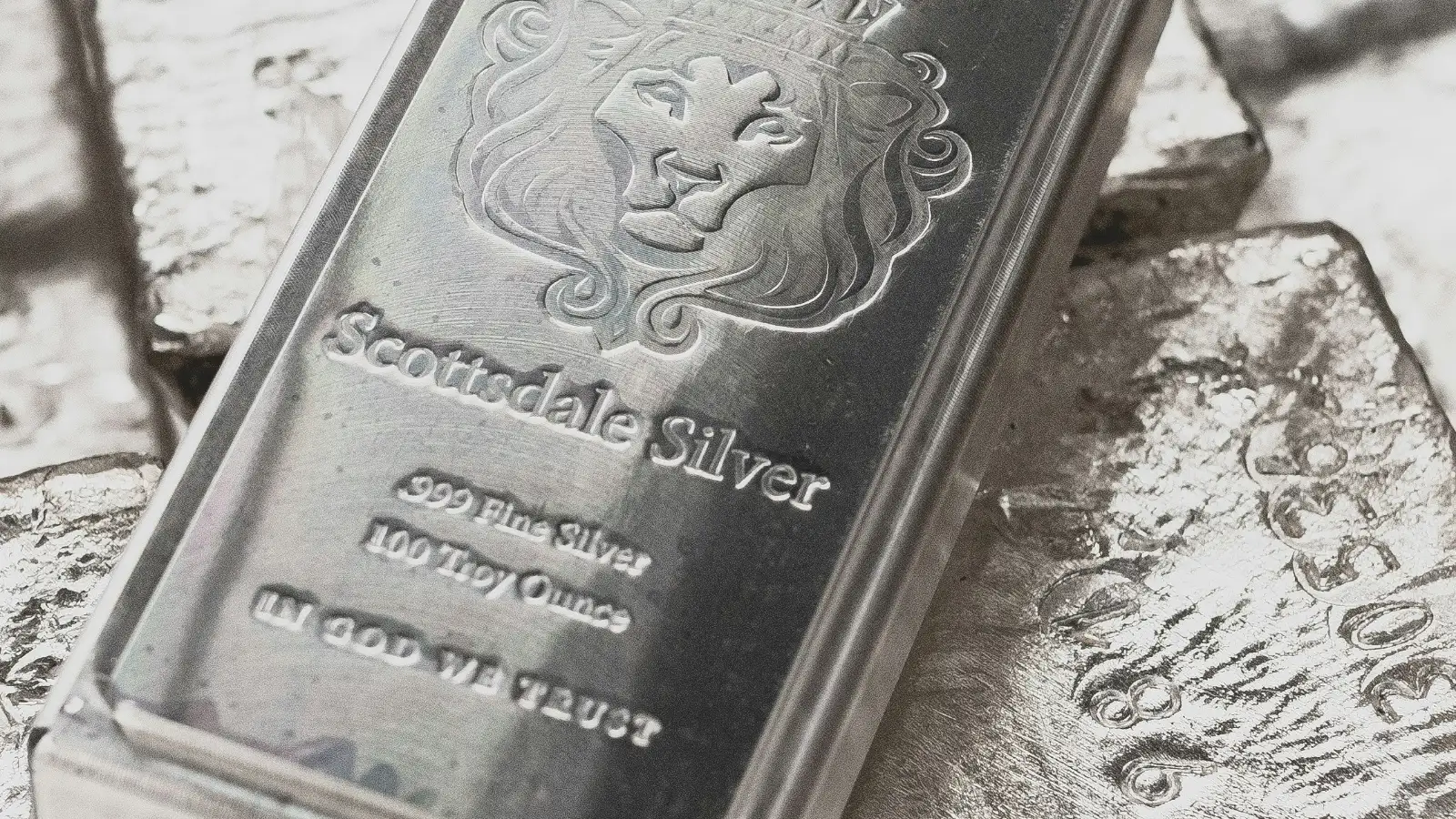

On January 23, 2026, the price of silver is approaching the magical mark of USD 100 per ounce, celebrating new all-time highs in the wake of the gold rally. From the annual low of around USD 28, the price of silver has more than tripled – a triple-digit increase that establishes the metal as the ultimate “high-beta lever” on the gold bull market.
Dual Role: Precious Metal and Industrial Star
Silver combines safe-haven appeal with explosive industrial demand, which catapults the current price increase beyond gold. As the second most important precious metal, it benefits from geopolitical risks and central bank purchases, but surpasses these drivers through its industrial dominance: Over 50% of global silver demand is attributable to solar panels, electronics, automotive and medical technology.
The photovoltaic boom in particular is driving demand: By 2030, experts predict a doubling of volume, as each new solar plant requires up to 20% more silver than before. In addition, there are 5G infrastructure and electric vehicles that use silver for conductive pastes and batteries. At the same time, the mining supply is stagnating due to declining ore deposits and ESG hurdles – a structural deficit that is forcing prices upwards.
Volatility and Technical Warning Signals
The rally is breathtaking, but volatile: After the silver price rush to USD 98.98, profit-taking recently showed declines of 2–3%, accompanied by declining open interest (OI) and RSI values above 75, indicating overheating. Trading volume exploded, while long positions in Managed Futures subsided – classic patterns before corrections.
However, such pullbacks are buying opportunities in an intact upward trend: The 50-day line at USD 85 serves as robust support, and a breakthrough above USD 100 could release the next target at USD 110–120. Whether it is a healthy consolidation or trend reversal depends on the gold-silver ratio, which is currently at 50:1 – far below the historical average and bullish for silver.
Leverage with Producers and Juniors
With spot prices around USD 100, the margins of silver producers are exploding: Primary producers such as Pan American Silver or Fresnillo generate free cash flow margins of over 60%, even after all-in sustaining costs (AISC) of USD 15–20. These titles offer dividend yields of 3–5% plus price leverage – ideal for conservative portfolios.
Silver juniors leverage the potential extremely: Exploration companies with projects in North America and Mexico see NPV increases of 200–500% per USD 10 price increase. Recommended: High-grade developers such as Silver Tiger Metals (TSXV:SLVR) in the historic El Tigre district (Mexico) and Aztec Minerals Corp. (TSXV:AZT) with a focus on porphyry gold-copper and CRD silver-gold systems. However, the speculation class carries drilling risks – only for risk-takers.
| Company | AISC (USD/oz) | Production (millions of oz) | Market capitalization |
|---|---|---|---|
| Pan American Silver | 18 | 21 | ~USD 5 billion |
| Fresnillo | 16 | 55 | ~USD 8 billion |
| Silver Tiger (SLVR.V) | Development | – | ~USD 450 million |
| Aztec Minerals (AZT.V) | Exploration | – | ~USD 38.5 million |
Silver Price Outlook: USD 100 as a Stepping Stone
The silver price at USD 100 does not mark an end point, but a stepping stone: Deficits of 200 million oz annually and megatrends such as renewable energies secure higher prices in the long term. For investors, silver offers diversification to the gold record high: a portfolio share in producers and ETFs (e.g. SILJ) uses the beta effect with moderate risk. In the short term, volatility and profit-taking are lurking, but pullbacks are entry opportunities – the high-beta star will continue to shine in 2026.


